PKN is a sex- and species-specific fertilization factor in brown algae

PKN is a sex- and species-specific fertilization factor in brown algae
Hoshino, M.; Nehlsen, M.; Adriano Batista, R.; Raphalen, M.; Wakimoto, T.; Uwai, S.; Kogame, K.; Alva, V.; Coelho, S. M.
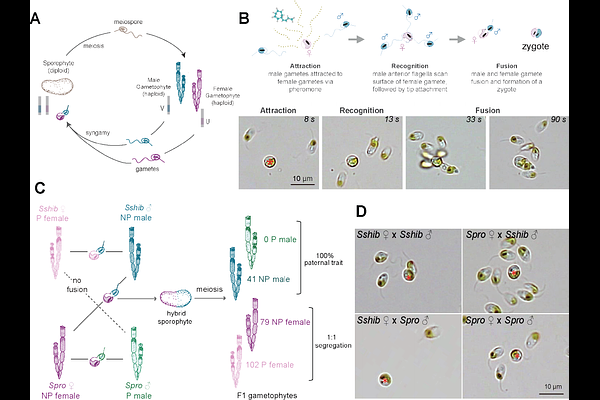
AbstractFertilization, the union of male and female gametes, is central to sexual reproduction, yet the molecular mechanisms that ensure partner recognition and enforce species specificity remain elusive. Here we identify PKN, a previously uncharacterized transmembrane protein expressed exclusively in female gametes of brown algae, as an essential determinant of fertilization. Loss of PKN abolishes fertilization without affecting earlier mating steps, including gamete attraction, placing its function as a key mediator of male-female recognition. PKN contains extracellular {beta}-propeller and mucin-like domains that are enriched in predicted glycosylation sites and rapidly evolving, consistent with a role in species-specific cell-cell recognition. Notably, PKN enforces reproductive isolation within the genus Scytosiphon by preventing interspecific fertilization. Together, these findings uncover a female-encoded recognition mechanism in brown algae and reveal protein-glycan interfaces as a conserved strategy for enforcing sex- and species-specific fertilization across Eukaryotes.