Loss of host factor-mediated m6Am methylation of the viral RNA cap impairs SARS CoV-2 replication

Loss of host factor-mediated m6Am methylation of the viral RNA cap impairs SARS CoV-2 replication
Pandey, R. R.; Ebert, N.; Homolka, D.; Barut, T.; Trueeb, B.; Stalder, H.; Delfino, E.; Vagbo, C.; Veiga, I.; Leidel, S.; Thiel, V.; Pillai, R.
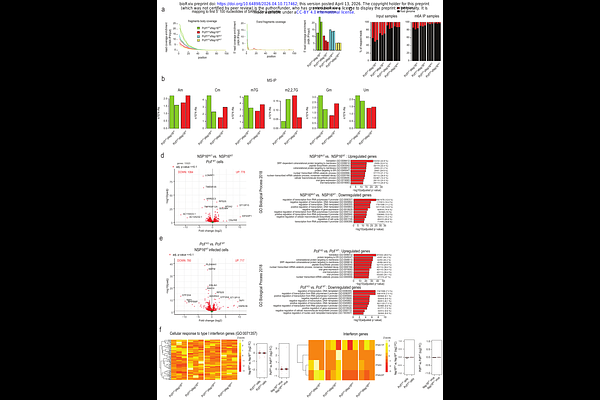
AbstractEukaryotic mRNAs are co-transcriptionally capped at the 5' end with a methylated m7G moiety (cap0), which in higher eukaryotes is further methylated on the ribose (Nm) of the transcription start site (TSS) nucleotide to create the cap1 structure (m7GpppNm). Coronaviruses that replicate in the cytoplasm encode their own capping enzymes to acquire this cap1 structure which facilitates translation and shields them from the host innate immune system. Here we report the identification of an additional N6-methyladenosine (m6A) methylation on the 5' cap (m7Gpppm6Am) of the human coronavirus SARS-CoV-2 RNA. It is catalysed by the host m6A methylase PCIF1 following capping by virus-encoded non-structural protein NSP 14 and NSP16. Human cell cultures lacking PCIF1 accumulate reduced levels of the viral RNA and support reduced viral replication. Furthermore, Pcif1 mutant mice infected with SARS CoV-2 display milder symptoms. We identify the host RNA methyltransferase PCIF1 as a critical ally of SARS CoV-2 for viral replication.