Anti-oxidant and anti-inflammatory Effects of Aerosolised microalgal-derived extracellular vesicles in Bronchial Epithelial-Macrophage Co-cultures at the Air-Liquid Interface

Anti-oxidant and anti-inflammatory Effects of Aerosolised microalgal-derived extracellular vesicles in Bronchial Epithelial-Macrophage Co-cultures at the Air-Liquid Interface
Darwish, W.; Adamo, G.; Almasaleekh, M.; Picciotto, S.; Gargano, P.; Romancino, D.; Raccosta, S.; Zimmermann, R.; Manno, M.; Bongiovanni, A.; Di Bucchianico, S.
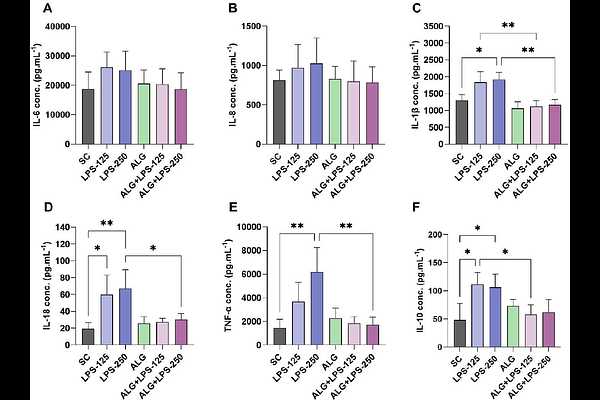
AbstractInflammation and oxidative stress are key drivers in the pathogenesis of chronic lung diseases, including asthma, pulmonary fibrosis, and chronic obstructive pulmonary disease. Extracellular vesicles derived from the marine microalga Tetraselmis chuii, referred to as nanoalgosomes, have recently gained attention as natural nanocarriers that possess inherent antioxidant and anti inflammatory properties. In this study, we investigated the biocompatibility and protective effects of aerosolized nanoalgosomes in a bronchial epithelial macrophage coculture model at the air liquid interface. Cocultures of CALU3 epithelial cells and differentiated THP1 macrophages were primed with aerosolised nanoalgosomes and subsequently exposed to either oxidative stress (tert butyl hydroperoxide) or an inflammatory stimulus (lipopolysaccharide; LPS). Epithelial barrier integrity and cytotoxicity were evaluated using transepithelial electrical resistance and lactate dehydrogenase release assays, respectively, while intracellular reactive oxygen species levels and cytokine secretion were measured to assess antioxidant and immunomodulatory responses. Nanoalgosomes were non cytotoxic, preserved epithelial barrier integrity, and significantly reduced oxidative stress. In addition, nanoalgosomes priming attenuated LPS induced secretion of pro-inflammatory cytokines (ILb;, IL6, IL8, IL18, TNFa) as well as the anti-inflammatory cytokine IL10, suggesting a balanced immunomodulatory response. Overall, aerosolized nanoalgosomes maintained epithelial homeostasis and mitigated both oxidative and inflammatory stress, underscoring their potential as a safe, sustainable, and effective therapeutic strategy for chronic inflammatory lung diseases. Given their natural origin, excellent biocompatibility, and suitability for aerosol delivery, nanoalgosomes represent a promising class of inhalable biotherapeutics.